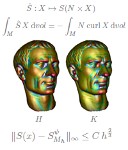
Discrete mathematical morphology
Mathematical morphology provides the algebraic and algorithmic language for connected operators, shape analysis, filtering, and segmentation on discrete structures.
- lattices
- connected filters
- shape spaces
Research
My research develops mathematical and algorithmic tools for images and data represented by graphs, simplicial complexes, hierarchies, trees, and topological structures. The common thread is to make discrete geometry useful: for segmentation, filtering, optimization, biomedical imaging, computer vision, deep learning, and interpretable models.
Themes
Mathematical morphology provides the algebraic and algorithmic language for connected operators, shape analysis, filtering, and segmentation on discrete structures.
A central thread is the representation of images and data by graphs and simplicial complexes, including minimum spanning trees, saliency maps, component trees, the tree of shapes, and hierarchical segmentations.
The work connects topological ideas with computable models on graphs, cubical grids, simplicial complexes, Morse functions, and gradient vector fields.
Graph cuts, power watersheds, hierarchical cuts, convex optimization, and related algorithms make segmentation models precise and computationally tractable.
Applications include PET/CT, MRI, cardiac imaging, vessel and catheter segmentation, and other visual data where topology and shape are strong priors.
Recent work connects deep learning with graph neural networks, self-supervised learning, few-shot classification, and interpretable visual models built from hierarchies and trees.
Selected research
These threads are a selective map of the work, with representative HAL records chosen for orientation rather than exhaustiveness.
A long-running line connects watershed cuts, minimum spanning forests, saliency maps, and graph-based hierarchies. The point is not only to segment images, but to make the hierarchy itself a mathematically controlled object.
Discrete calculus gives graph-based counterparts of continuous variational tools, including combinatorial continuous max-flow. Power watersheds then connect watershed cuts with graph optimization; the SIAM gamma-convergence paper gives the proof framework, and power spectral clustering extends the same ideas to spectral clustering.
Connected operators and tree-based representations give image analysis a structural language: component trees, tree of shapes, shape spaces, attributes, and efficient algorithms for multiscale reasoning.
This thread studies how topological objects can be computed on discrete data: Morse functions, gradient vector fields, well-composedness, persistent homology, and their relation to morphological dynamics.
This thread connects early deep-learning work on scene labeling with Clément Farabet, Camille Couprie, and Yann LeCun to recent self-supervised representation learning with Quentin Garrido and Yann LeCun.
A complementary line brings the older mathematical objects back into learning: watersheds, component trees, and hierarchies become priors, filters, explanations, or constraints for modern models.
This thread shows how mathematical and algorithmic tools move into real scientific data: patient-specific cardiac perfusion, vascular networks, PET image analysis, astronomical source detection, and other imaging domains where structure matters.
The software thread makes the mathematical objects usable by others, from hierarchical graph analysis to Morse-based constructions. Higra and MorseFrames are the current public entry points.
Research highlights
These highlights make three contributions visible through concrete images: personalized cardiac modeling, hierarchical graph-analysis software, and the theory of hierarchies.
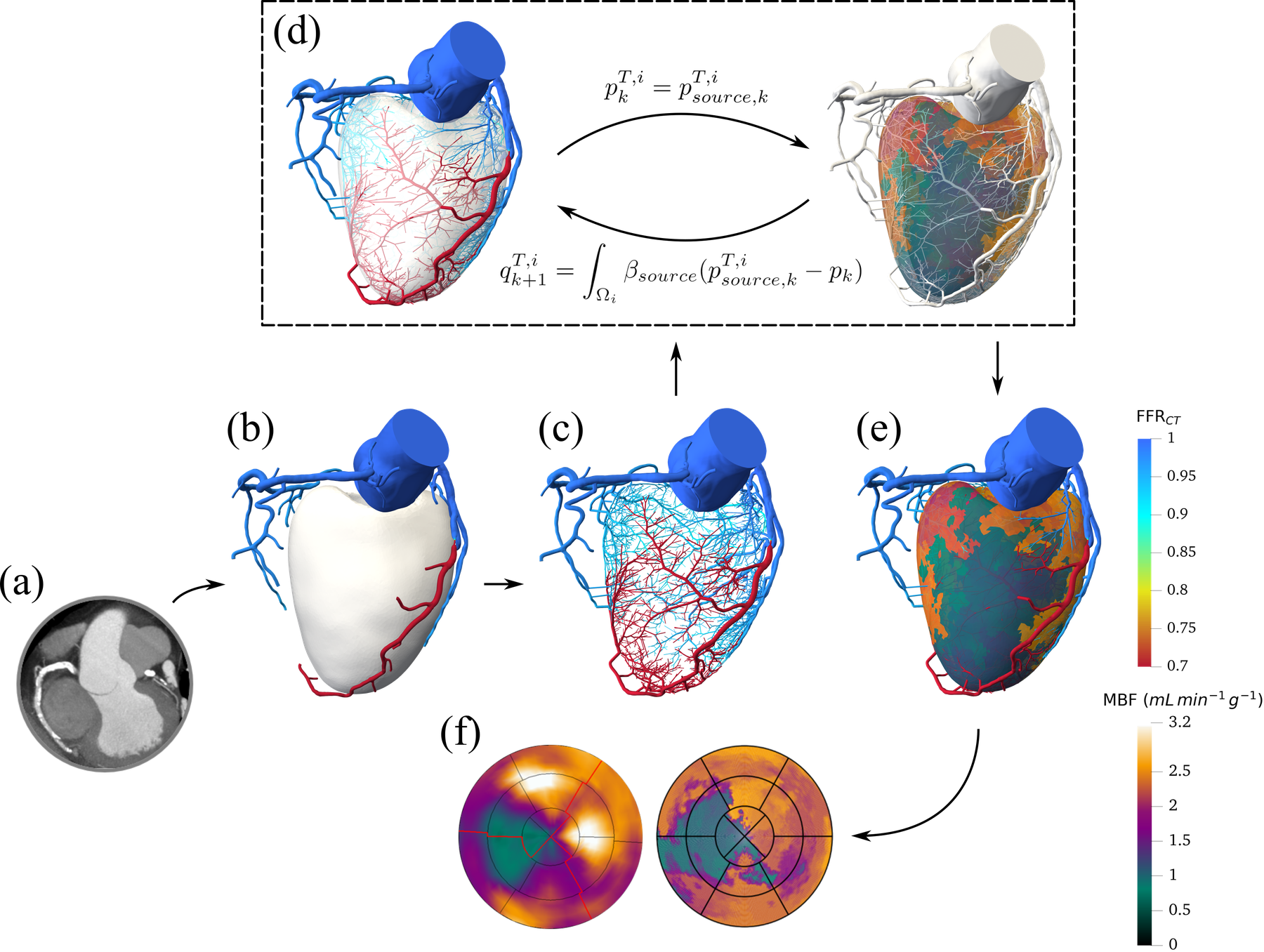
A patient-specific multiscale model linking coronary FFRCT, segmented and synthetic vascular networks, and myocardial microcirculation to simulate blood flow from epicardial arteries to cardiac tissue.
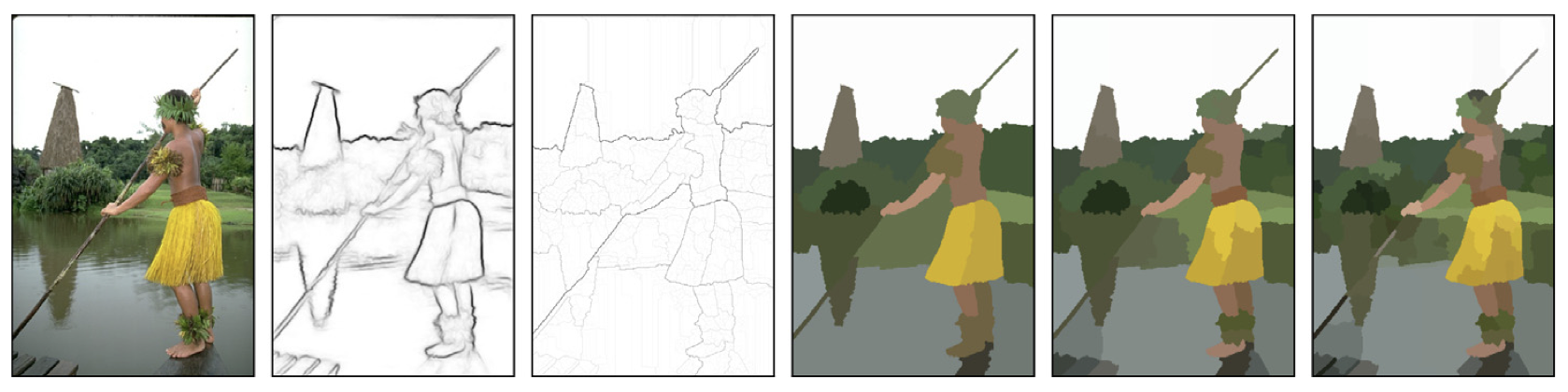
A C++/Python library for efficient sparse-graph analysis, focused on constructing, processing, filtering, clustering, and evaluating hierarchical representations. Benjamin Perret is the main maintainer; I contribute to the mathematical morphology and hierarchy line that feeds the library.
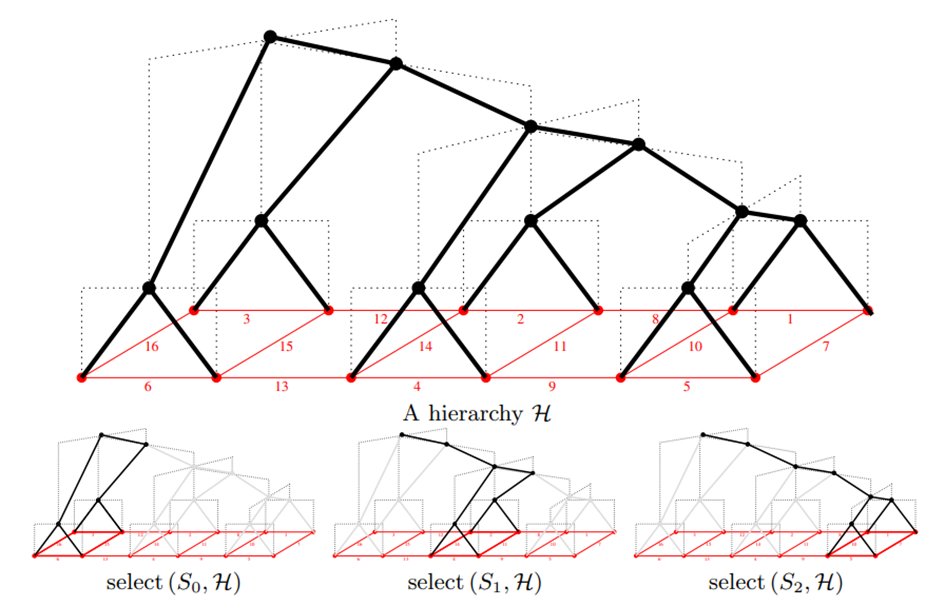
A theoretical and algorithmic line connecting dendrograms, saliency maps, minimum spanning trees, and hierarchical watersheds, with constructive results for characterization, enumeration, transformation, and out-of-core computation. This line started within the A3SI team at LIGM, and remains a current thread in my work.
Archive highlights
The previous website carried a useful visual memory of papers, tutorials, books, and applications. This selection keeps that material available as a compact archive, while the full research map above remains organized around themes.
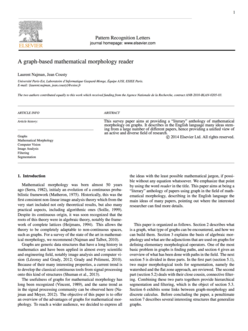
A trace of the survey and tutorial material that connected morphology, graphs, watersheds, and hierarchies.
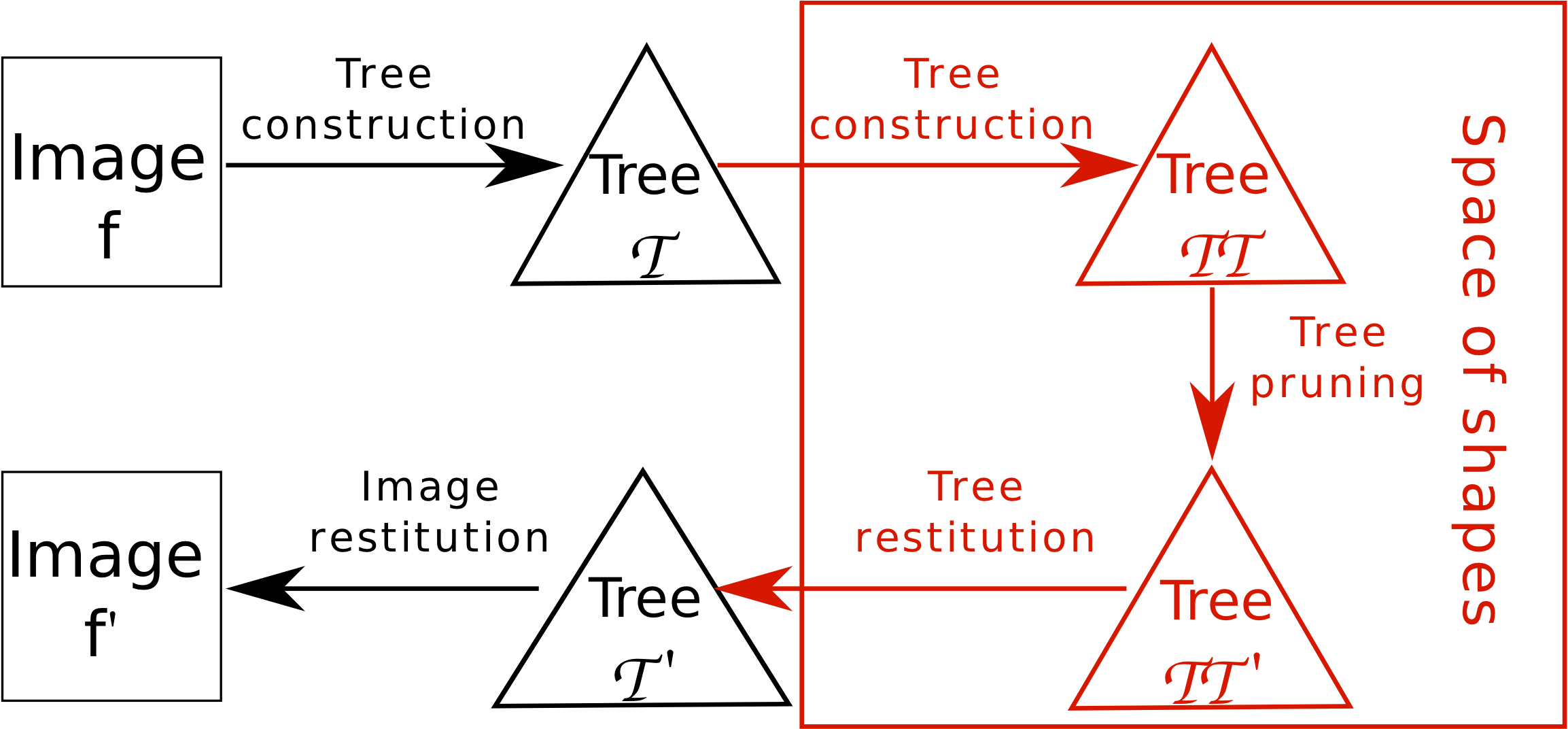
The old shape-filtering visual now points to the two Xu PAMI papers and the Higra Colab scripts that make the shaping framework executable.
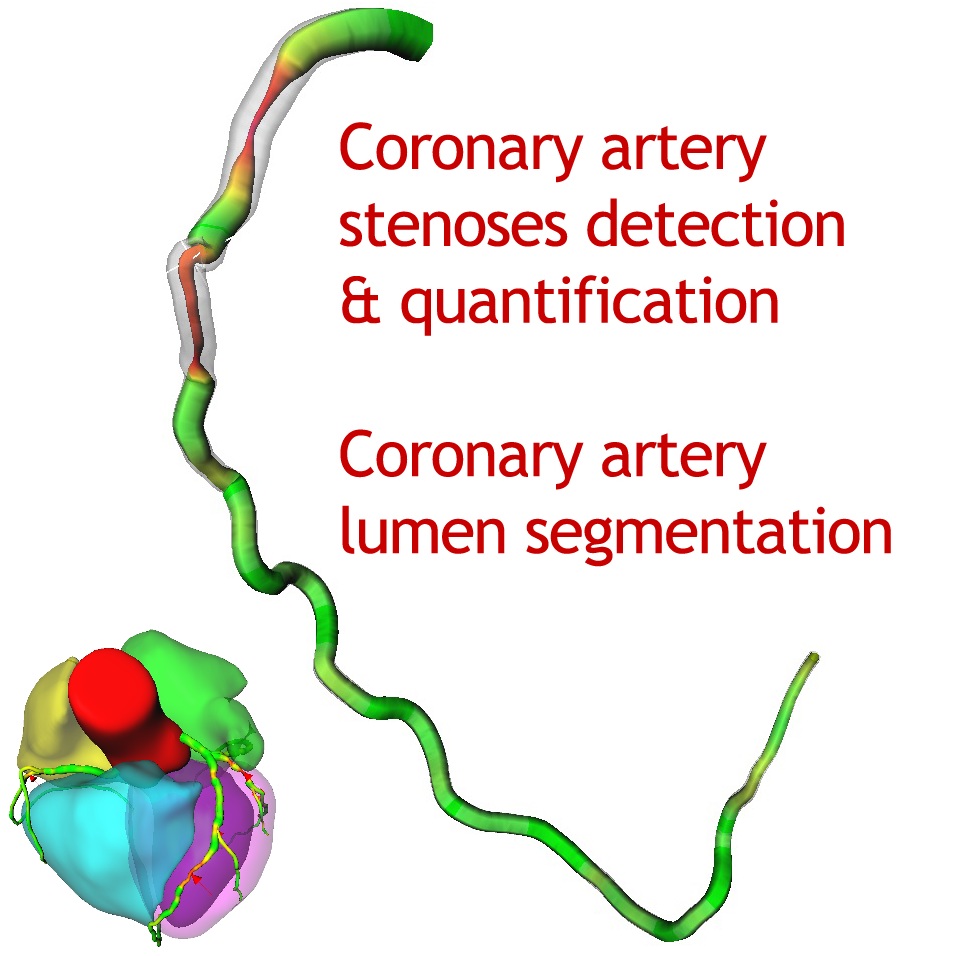
Archive imagery for the medical-imaging line around coronary artery stenosis detection, quantification, and lumen segmentation.
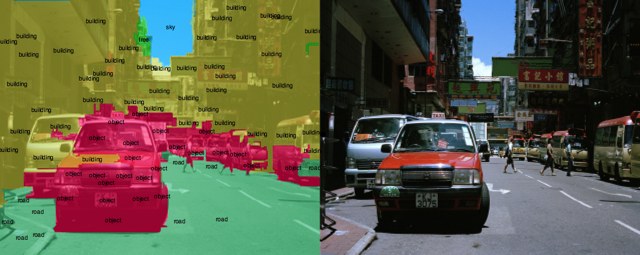
A visual marker of the work with Clément Farabet, Camille Couprie, and Yann LeCun showing that deep, hierarchical, multiscale convolutional features could be learned directly from images for dense scene labeling, making it a key precursor to modern semantic segmentation systems.
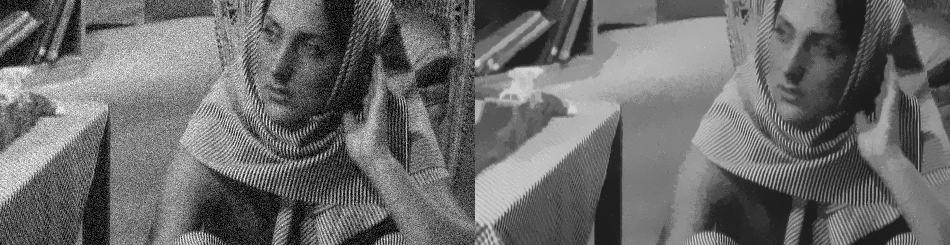
An old featured-paper image from the optimization and graph-based image-processing thread.
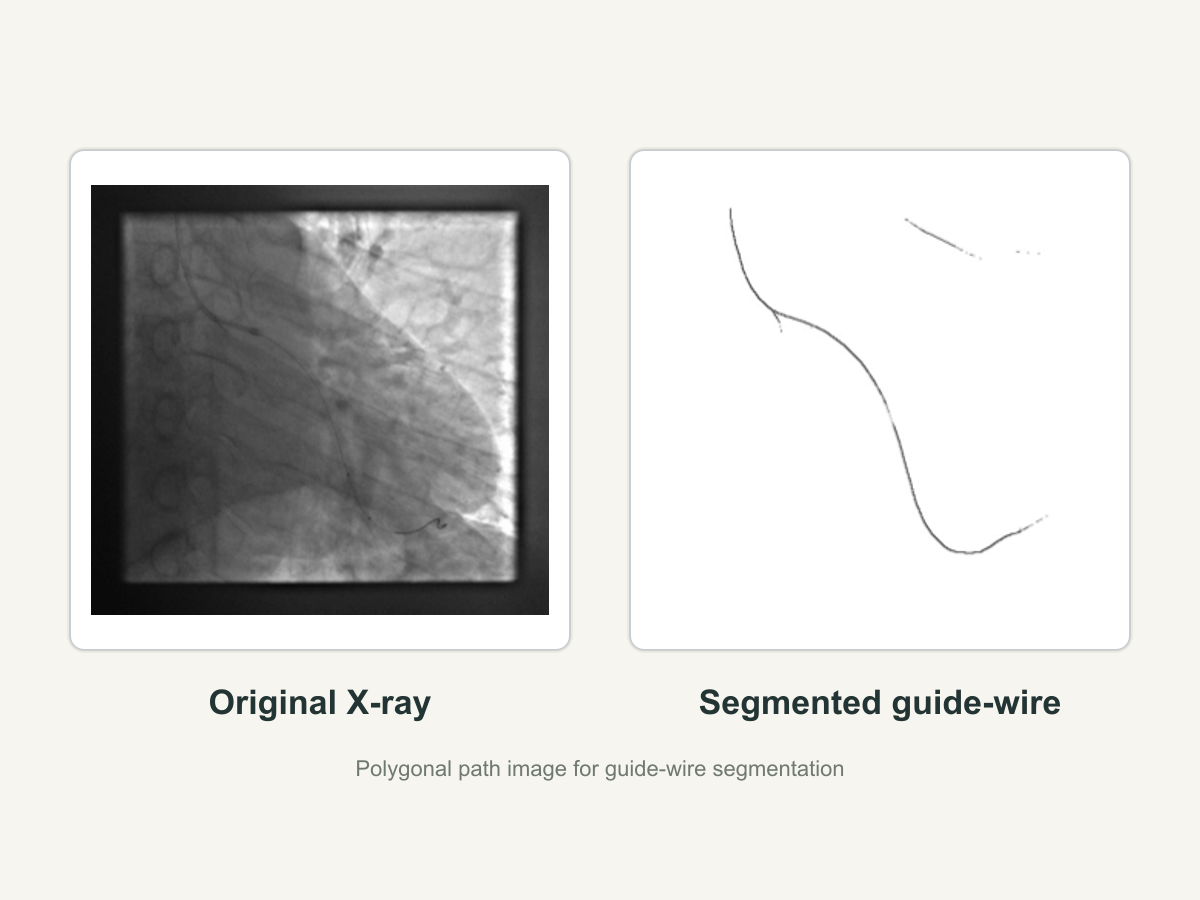
A visual trace of the interventional imaging work on curvilinear structures, guide-wire segmentation, and stent visualization enhancement.
Books